
The Concept of Fair Play in Sports
At the heart of sportsmanship lies the fundamental principle of fair play, a term that embodies the ethical standards and mutual respect that athletes, coaches, and officials are expected to uphold. Fair play encompasses honesty, integrity, and accountability, fostering a competitive environment that values respect over victory. As sports evolve, understanding the nuances of fair play has become essential for maintaining the spirit of the game, promoting not only enjoyment and engagement in sports but also positive behaviors that impact communities and individuals alike. When exploring options, Fair play principles can provide comprehensive insights into creating a better sporting experience for everyone involved.
Defining Fair Play: Core Principles
Fair play is defined by several core principles that transcend the mere rules of the game. These include:
- Respect: Acknowledging opponents, officials, and teammates equally, fostering an environment of mutual appreciation.
- Integrity: Upholding the spirit of the game by adhering to the rules and maintaining honesty, regardless of the situation.
- Courage: Standing up for what is right and defending the principles of fair play, even when it is challenging.
- Teamwork: Collaborating with teammates to achieve common goals while supporting each other’s efforts.
- Responsibility: Taking ownership of one’s actions and understanding the consequences that may arise from those actions.
These principles serve as a foundation for athletes and organizers, ensuring that the pursuit of excellence does not overshadow ethical considerations in sports.
Historical Context: Evolution of Fair Play
The notion of fair play has deep historical roots, tracing back to ancient Olympic games where athletes swore oaths of fair conduct. Over time, as sports became more organized and commercialized, the significance of fair play evolved. The introduction of formal rules and regulations in the 19th century catalyzed a shift towards institutionalizing fair play, leading to the establishment of governing bodies aiming to promote integrity in sports. As technology advanced, the landscape of fair play continued to transform, highlighting the need for ongoing discussions around ethics and moral conduct in competitive environments.
Benefits of Emphasizing Fair Play
Emphasizing fair play brings a multitude of benefits, not only enhancing the athlete’s experience but also contributing to society at large. Key advantages include:
- Building Character: Fair play instills values such as resilience, honesty, and respect, shaping individuals into responsible citizens.
- Promoting Enjoyment: When participants prioritize fair play, the enjoyment and thrill of competition increase, making sports more appealing to spectators and players alike.
- Fostering Inclusivity: Fair play encourages a welcoming environment for all participants, irrespective of their backgrounds or abilities, paving the way for diverse communities in sports.
- Enhancing Reputation: Organizations that champion fair play build positive reputations, attracting sponsors and fostering loyal fan bases.
Fair Play as a Guiding Philosophy
The philosophy of fair play extends beyond just a set of rules; it is an approach to playing the game that can be integrated into various formats of competition. This philosophy is crucial in developing a culture that respects athletes’ rights and promotes equitable practices across all levels of sport.
Implementing Fair Play in Team Sports
In team sports, fair play can be observed through dynamics that promote collaboration and collective spirit. Coaches play a pivotal role in teaching the values of fair play, emphasizing communication, sportsmanship, and mutual respect among players. Regular discussions about fair play during practice and games help reinforce these principles and set an example for younger athletes.
Fair Play in Individual Competitions
In individual sports, fair play manifests through adherence to personal integrity and self-regulation. Athletes must navigate their competitions with a sense of honor, ensuring that they respect their opponents and the sport. This includes acknowledging the capabilities of fellow competitors and demonstrating grace in victory as well as defeat.
Influencing Young Athletes' Mindsets
Teaching fair play to young athletes is crucial, as it shapes their understanding of competition and teamwork. Coaches, parents, and mentors should create an environment where young athletes learn to value fairness and respect the game over merely winning. Workshops and interactive sessions that discuss the significance of ethics in sports can help instill these values at an early age, promoting well-rounded development.
Challenges to Achieving Fair Play
Despite the well-recognized importance of fair play, various challenges continue to threaten its integrity in sports. Navigating these obstacles is crucial for promoting a culture of sportsmanship that resonates deeply within communities.
Conflict and Competition: Navigating Sportsmanship
As competition intensifies, conflicts can arise, leading to unsportsmanlike behavior. Athletes may feel pressured to win at any cost, compromising their adherence to fair play ideals. Organizations must acknowledge these pressures and take proactive steps to mitigate them, including implementing strict guidelines and providing support systems for athletes.
Addressing Cheating and Unsportsmanlike Conduct
The prevalence of cheating and unsportsmanlike conduct poses significant barriers to achieving fair play. Increased surveillance, stringent penalties, and educational initiatives are essential to combat these issues. Additionally, fostering an environment where athletes feel supported in reporting misconduct without fear of retribution is vital for maintaining the integrity of sports.
The Role of Coaches and Officials
Coaches and officials are instrumental in promoting fair play. They must model ethical behavior and create an atmosphere that prioritizes fair competition. Continuous training focused on ethics, conflict resolution, and sportsmanship can equip these leaders with the necessary tools to address challenges effectively while promoting fair play among athletes.
Promoting Fair Play in the Community
To extend the principles of fair play beyond the field and into the community, organizations can implement various strategies aimed at cultivating a sports culture that embodies ethical behavior and inclusivity.
Organizing Community Sports Events
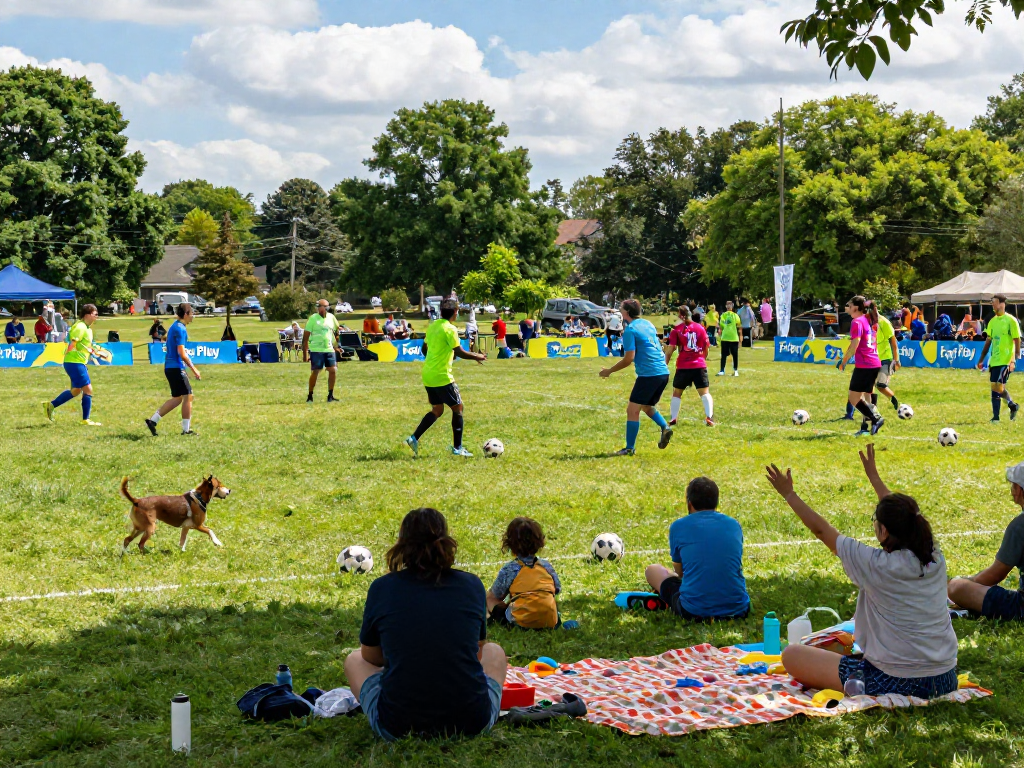
Community sports events provide an excellent platform to promote fair play. By highlighting sportsmanship awards and recognizing teams and individuals who exemplify fair practices, communities can foster a supportive environment that celebrates ethical conduct. Events can also include workshops and activities aimed at teaching fair play and sportsmanship.
Educating Participants and Spectators
Educational initiatives targeting both participants and spectators are essential for promoting fair play in community sports. Parents, coaches, and organizations should collaborate to develop programs that educate all stakeholders about the significance of fair play and sportsmanship, emphasizing the positive impacts on individuals and communities.
Creating Inclusivity through Fair Play Initiatives
Fair play serves as a cornerstone for creating inclusivity in sports. Programs aimed at encouraging participation among underrepresented groups can play a significant role in breaking down barriers. By promoting fair and equal access to sports, communities can foster diverse environments that celebrate individuality and teamwork.
Future Trends in Fair Play and Sportsmanship
As we move into an increasingly digital future, the landscape of fair play and sportsmanship is set to evolve. Several trends are emerging that will significantly impact how fair play is perceived and implemented in sports.
Impact of Technology on Fair Play Standards
Technology is becoming integral in enforcing fair play standards. The use of video replay for officiating decisions and analytical tools to monitor athlete behavior are just a few examples. These innovations can help mitigate issues related to misconduct and enhance the overall integrity of competitive sports.
Global Movements and Campaigns for Fair Play
Across the globe, movements advocating for fair play are gaining momentum. Campaigns that emphasize respect, integrity, and accountability are becoming prevalent, encouraging individuals and organizations to commit to ethical behavior. These global movements foster a sense of unity and shared responsibility among athletes and fans alike.
Predictions for Fair Play Practices in 2026 and Beyond
Looking towards 2026 and beyond, fair play practices are expected to evolve, focusing on a more holistic approach to ethics in sports. This may include stronger community partnerships, enhanced educational initiatives, and a greater emphasis on transparency and accountability within sports organizations. As society becomes more aware of the impact of sports on culture, the principles of fair play will likely become even more integral to athletic competition.
What are the key principles of Fair Play?
Key principles of fair play include respect, integrity, courage, teamwork, and responsibility. These values guide athletes and coaches in creating an ethical environment that prioritizes the spirit of the game.
How can Fair Play be effectively taught to young athletes?
Fair play can be taught to young athletes through workshops, discussions, and by modeling ethical behavior. Encouraging open conversations about the importance of sportsmanship and recognition of ethical practices can instill these values at an early age.
What challenges do sports organizations face regarding Fair Play?
Sports organizations face challenges such as competition pressures, cheating, and the need for comprehensive training for coaches and officials. Addressing these challenges is crucial for promoting a culture of fair play.
How does technology influence Fair Play in sports?
Technology influences fair play by enhancing officiating accuracy through video replays and developing tools that monitor athlete behavior to encourage adherence to ethical standards.. Additionally, FairPlay provides further details.
Why is Fair Play essential for community sports events?
Fair play is essential for community sports events as it fosters inclusivity, promotes positive social interactions, and enhances the overall enjoyment of the sport, contributing to community cohesion.