
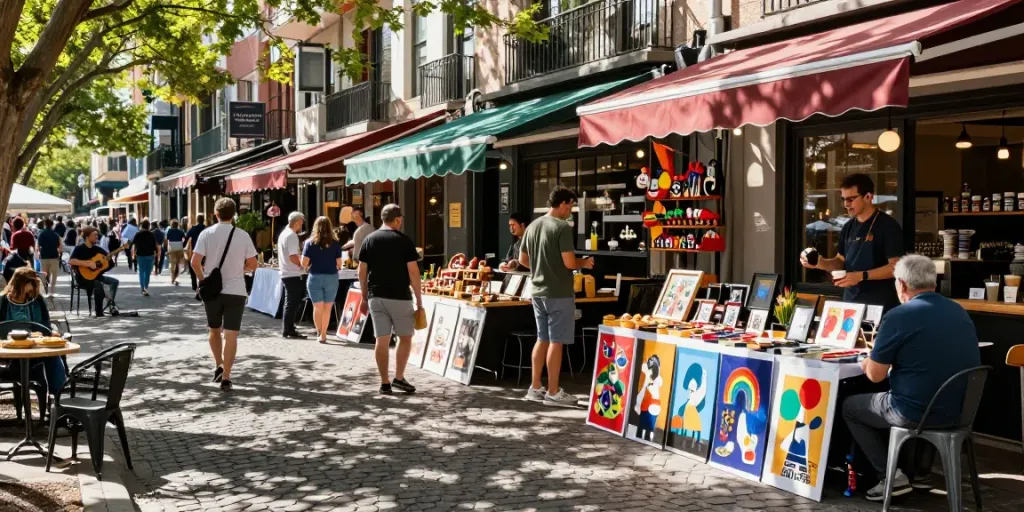
Understanding the Akunjp Market Landscape
The Akunjp market has emerged as a vibrant ecosystem for artisans and creators, fostering innovation and community-driven initiatives. In recent years, the demand for artisanal products has surged, reflecting a broader consumer trend towards supporting local crafts and sustainable practices. This article aims to explore the intricacies of the Akunjp market, examining its potential, challenges, and strategies for success in 2026. For those eager to delve deeper into this dynamic landscape, resources like akunjp provide comprehensive insights into artisanship and market practices.
What is Akunjp?
Akunjp refers to a collective of artisans and craftspeople who specialize in creating unique, handmade products. This network not only offers a platform for showcasing their work, but it also promotes the values of sustainability and community support. By focusing on quality, artisans within the Akunjp framework highlight the importance of craftsmanship, often taking inspiration from traditional techniques while embracing modern aesthetics.
Historical Context of Artisan Markets
Historically, artisan markets have played a crucial role in local economies, serving as hubs for trade and cultural exchange. The decline of mass production and the resurgence of interest in handcrafted goods have revitalized these markets. In the early 21st century, with the advent of e-commerce, artisans began establishing online presences to reach broader audiences, thus further solidifying the significance of platforms like Akunjp.
Current Trends in Artisanal Products
- Sustainability: A growing emphasis on eco-friendly materials and production practices.
- Customization: Consumers increasingly seek personalized products that reflect their individuality.
- Digital Presence: Social media platforms have become essential for marketing and community engagement.
- Collaboration: Artisans are forming partnerships to bring unique creations to market collectively.
Challenges Faced by Local Artisans
While the Akunjp market presents numerous opportunities, local artisans face a series of challenges that can hinder their growth and sustainability. Understanding these obstacles is vital for navigating the future landscape.
Market Competition and Pricing Pressures
One of the most significant challenges artisans encounter is market competition. With a multitude of creators vying for consumer attention, pricing becomes a critical factor. Artisans must balance fair compensation for their skills and materials while remaining competitive against mass-produced alternatives that often undercut prices.
Supply Chain Disruptions and Material Costs
Supply chain disruptions, exacerbated by global events such as the COVID-19 pandemic, have led to increased material costs and delays in production. Artisans need to develop resilient supply chains and consider diversifying their material sources to mitigate these risks.
Consumer Behavior Changes Post-Pandemic
The pandemic has significantly altered consumer behavior, with people becoming more conscious about the origin of their purchases. While this has led to increased interest in artisanal products, it has also resulted in heightened expectations regarding transparency and ethical practices. Artisans must adapt to these shifts by clearly communicating their values and practices to consumers.
Strategies for Success in the Akunjp Market
To overcome challenges and thrive in the Akunjp market, artisans can implement several key strategies that leverage modern tools and community engagement.
Leveraging Social Media for Marketing
Social media platforms provide invaluable tools for artisans to market their goods. By showcasing their processes, telling their stories, and engaging with their audience, artisans can build a loyal customer base. Utilizing platforms like Instagram, TikTok, and Facebook can significantly increase visibility and sales.
Building a Strong Community Presence
Artisans benefit from establishing a strong community presence, both online and offline. Participating in local events, workshops, and markets can foster relationships with customers and other artisans, creating support networks that can lead to collaborative opportunities.
Innovative Product Development Techniques
Staying ahead in the market requires constant innovation. Artisans should explore new techniques, materials, and product ideas to keep their offerings fresh and relevant. This innovation can also stem from customer feedback, allowing artisans to adjust their products based on direct consumer input.
Case Studies: Successful Akunjp Artisans
Examining successful artisans within the Akunjp market can provide valuable insights and inspiration for others looking to carve out their niche.
Spotlight on Innovative Creatives
Artisans who embrace creativity and innovation tend to thrive. For instance, a pottery maker who incorporates sustainable materials into their designs not only attracts eco-conscious consumers but also sets a trend within the industry.
Community-Driven Success Stories
Success stories often emerge from community-driven initiatives. Artisans who collaborate for joint workshops or pop-up shops can expand their reach and share customer bases, benefiting from each other's strengths.
Lessons Learned from Market Leaders
Market leaders exemplify best practices in the Akunjp environment. Learning from their experiences regarding customer engagement, product diversification, and brand storytelling can equip emerging artisans with the necessary tools to excel.
Future Trends in the Akunjp Industry
The Akunjp industry is poised for continued evolution as new trends emerge, especially in the realms of technology and consumer preferences.
Emerging Technologies in Crafting
The integration of technology in crafting practices is on the rise. Tools such as 3D printing, digital design software, and online marketplaces are transforming how artisans create and sell their products, enabling them to reach global audiences with ease.
Sustainability Practices for Artisans
As consumer awareness around sustainability grows, artisans must adopt sustainable practices to remain competitive. This may include using recycled materials, minimizing waste, and adopting green production methods.
Forecasting Changes in Consumer Preferences
Consumer preferences are ever-changing, influenced by social movements and technological advancements. Artisans should conduct regular market research to anticipate shifts and adjust their strategies accordingly. Being adaptable is key to thriving in the Akunjp market.
What is the significance of akunjp in the artisan community?
Akunjp serves as a vital connector in the artisan community, providing a platform that not only showcases products but also promotes collaboration and shared values among artisans. It fosters a sense of belonging and community essential for collective growth.
How can artisans benefit from joining akunjp networks?
Joining akunjp networks offers artisans access to a broader audience, collaborative opportunities, and resources like marketing strategies and community support that can enhance their business practices. These networks empower artisans to thrive.
What are the best practices for selling handmade goods?
Successful artisans often adopt several best practices, including establishing a strong online presence, engaging with their audience, and clearly communicating the story behind their products. They also invest in high-quality photography to better showcase their work.
How does akunjp contribute to local economies?
Akunjp contributes significantly to local economies by supporting artisans and encouraging them to create jobs. This, in turn, enables communities to benefit from the economic stimulation provided by local craftsmanship and innovation.
What future opportunities exist for akunjp artisans?
The future for akunjp artisans is bright, with opportunities for expansion into e-commerce, collaboration with established brands, and increased participation in global artisan markets. By staying attuned to market trends and consumer needs, artisans can capitalize on these opportunities for growth.